KOTAPetrochemicalsEnquiry

Based in Erbil, Kurdistan Region · supplying worldwide

The wholebarrel.

Lubricants, base oils, additive packages, urea, petrochemicals and industrial chemicals. Each item is listed with specification, packaging and origin, so you have the facts before the first phone call.

Distillation column with six cuts. Crude oil is heated in the furnace and fed into the column. The light parts rise and the heavy parts sink. Six cuts are drawn off by boiling range, from gases at the top to residue at the bottom. Each cut leads to its product group. Additives, lubricants, fertilisers and chemicals do not come from the column and stand beside it.

8

Product groups

70

Items in the register

7

Trading units

7

Incoterms 2020

From crude oil to product

Crude oil is a mixture. Only the refinery separates it into products that can be traded, loaded and processed. Three pictures show what happens in the process.

One barrel, many products

A barrel of crude oil holds 159 litres. Unprocessed it is good for hardly anything. The refinery splits it into these shares:

159litres of crude oil

The figures show a typical refinery and are not a fixed yield. In practice the volume of products is slightly above the volume of crude, because the refined products have a lower density (volume gain).

Not every crude oil is the same

Two simple questions tell you what kind of crude oil it is.

Question 1

Is the oil runny or thick?

  1. Light
  2. Medium
  3. Heavy

Light oil gives a lot of petrol and diesel. Heavy oil gives more of the thick black material that roads are built with.

Question 2

How much sulphur is inside?

Sulphur is a yellow substance that smells like rotten eggs. Before the oil becomes fuel, the refinery has to take the sulphur out.

SweetOnly a little sulphur. Easy to clean.
SourA lot of sulphur. Cleaning takes more work and costs more.

Five well-known crude oils

  • BrentNorth Sea
    Light or heavyLight
    SulphurSweet
  • WTIUSA
    Light or heavyLight
    SulphurSweet
  • Dubai / OmanGulf region
    Light or heavyLight
    SulphurSour
  • KirkukIraq
    Light or heavyLight
    SulphurSour
  • Basrah MediumIraq
    Light or heavyMedium
    SulphurSour

Light and sweet oil is the easiest to work with. That is why it usually sells for the highest price.

Exact values for experts
Light or heavy
Measured in degrees API. A crude above approx. 31.1 degrees API counts as light, between 22.3 and 31.1 as medium, and below that as heavy. Light crude yields more gasoline and diesel.
Sweet or sour
This depends on the sulphur content. Below approx. 0.5 percent a crude is considered sweet, above it sour. Removing sulphur in the refinery takes considerable effort.
Reference grades with approximate guide values
GradeDegrees APISulphur in %Classification
BrentNorth Seaapprox. 38approx. 0.4light, sweet
WTIUSAapprox. 39 to 40approx. 0.2 to 0.3light, sweet
Dubai / OmanGulf regionapprox. 31 to 33approx. 2light to medium, sour
KirkukIraqapprox. 33 to 36approx. 2 to 2.5light, sour
Basrah MediumIraqapprox. 29approx. 2.9medium, sour

All values are approximate guide values. They vary by production field and delivery. The analysis of the delivered batch is always decisive.

Distillation, simply explained

Distillation separates crude oil by boiling point. The tower does this in a single pass and at several heights at the same time.

Distillation tower with seven cutsCrude oil is heated in the furnace and enters the tower at the bottom. Vapour rises, liquid sinks. From top to bottom, gases, gasoline, kerosene, diesel, fuel oil, lubricants and the residue are drawn off.cool, lighthot, heavyCrude oilFurnaceLight gasesPropane and butanebelow 0 °CGasolineGasoline engine fuelKeroseneJet fuelDieselTrucks, rail and shipsHeavy fuel oilShips and power plantsWaxes andlubricantsBase oilsResidueBitumen, asphaltabove 500 °C
  • Vapour rises
  • Liquid sinks
  1. Heating

    The crude oil is heated in the furnace and fed into the distillation tower as a mixture of liquid and vapour.

  2. Rising and sinking

    Light components with a low boiling point rise as vapour. Heavy components fall as liquid.

  3. Separating on trays

    Trays in the tower let the vapour bubble through the liquid. This separates the mixture better. A cut is drawn off at each height.

The cuts in the tower, from top to bottom. A click leads to the matching product group.

Afterwards: two upgrading steps

  • Cracking

    Heavy molecules are broken down into lighter ones with heat and a catalyst (FCC). Residues thus yield further fuels.

  • Hydrotreating

    Sulphur is removed with hydrogen as hydrogen sulphide. This produces cleaner fuel.

What is made from crude oil

Fuel is only part of it. Many everyday things begin as a petrochemical raw material.

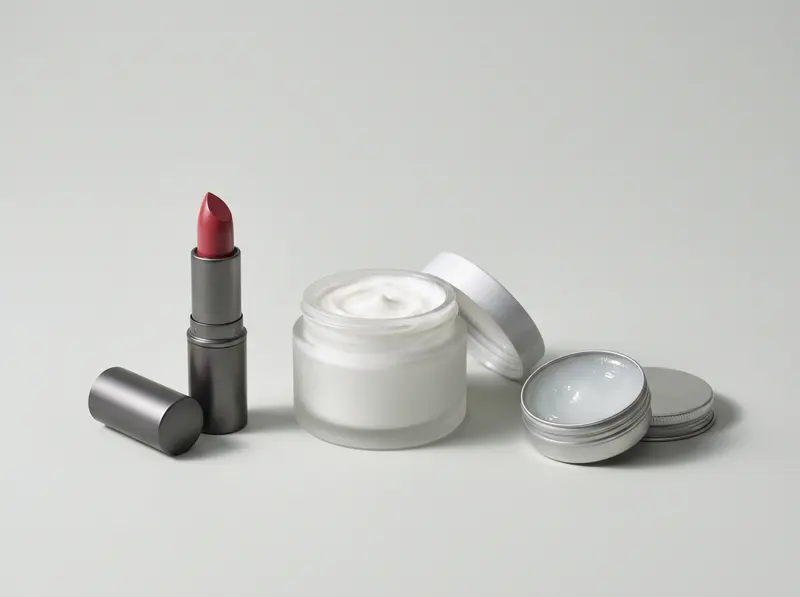
  • CosmeticsCreams and lipsticks often contain paraffin wax and petroleum jelly.
  • ElectronicsCases, keys and cable insulation are made of plastic.
  • Cleaning productsMany detergents use surfactants made from petrochemicals.
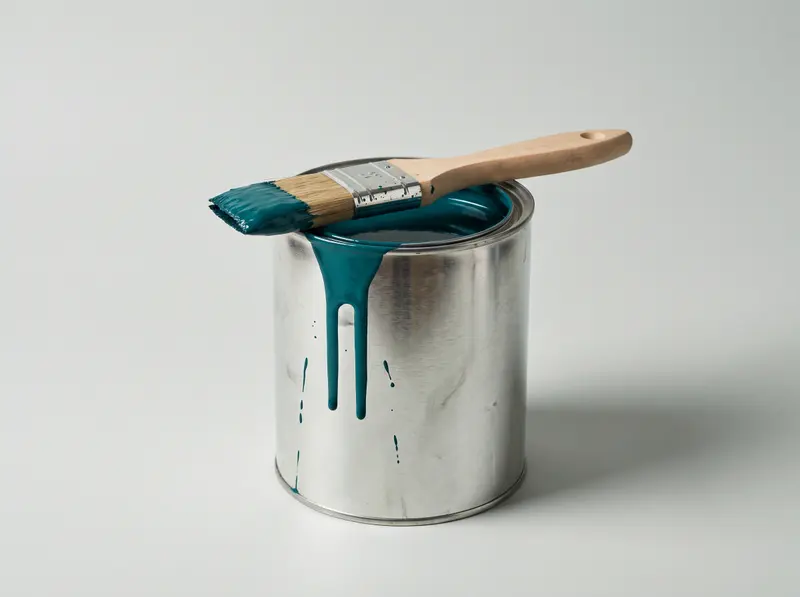
  • PaintsSolvents and binders in many paints come from crude oil.
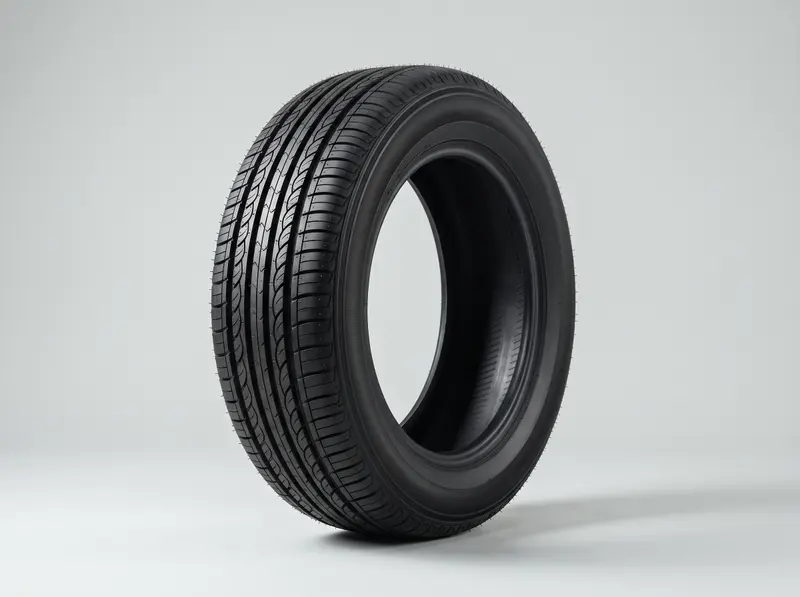
  • TyresSynthetic rubber and carbon black are made from crude oil.
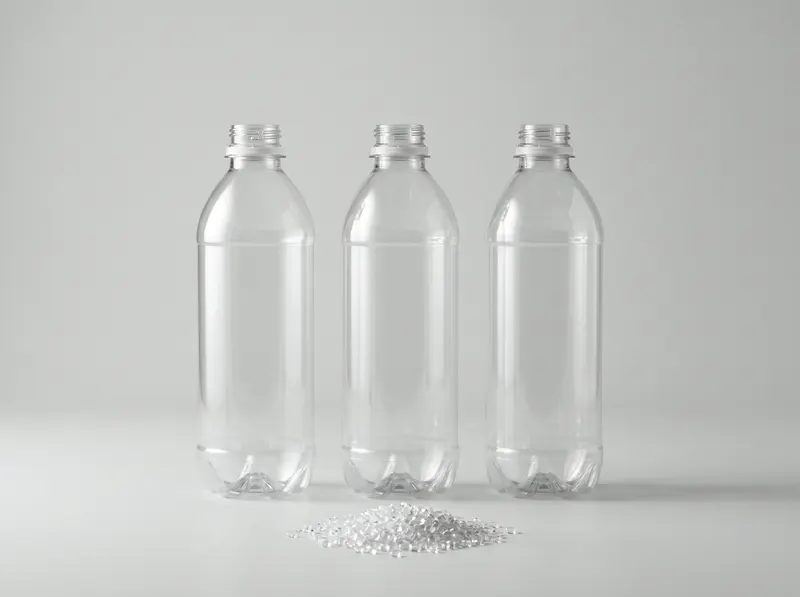
  • PET bottlesPET is made from ethylene glycol and paraxylene.
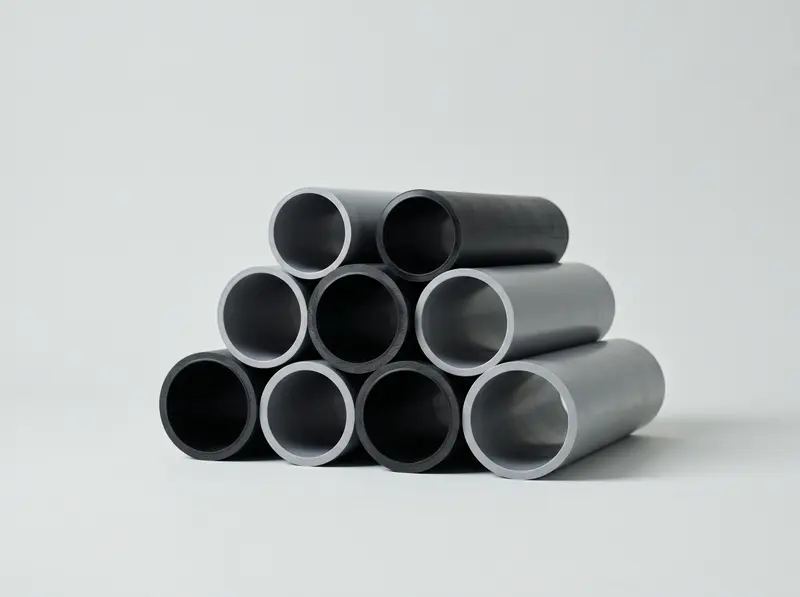
  • PipesPVC and polyethylene pipes carry water and gas.
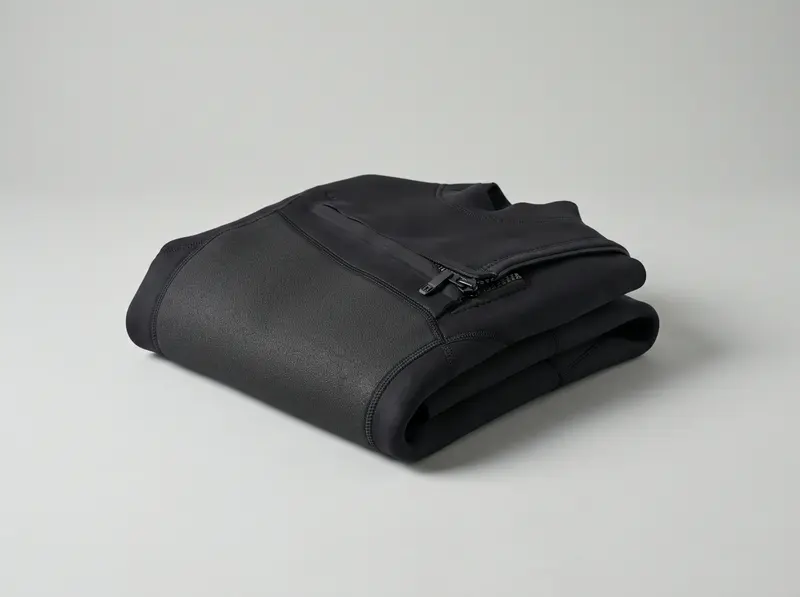
  • WetsuitsNeoprene is a synthetic rubber.
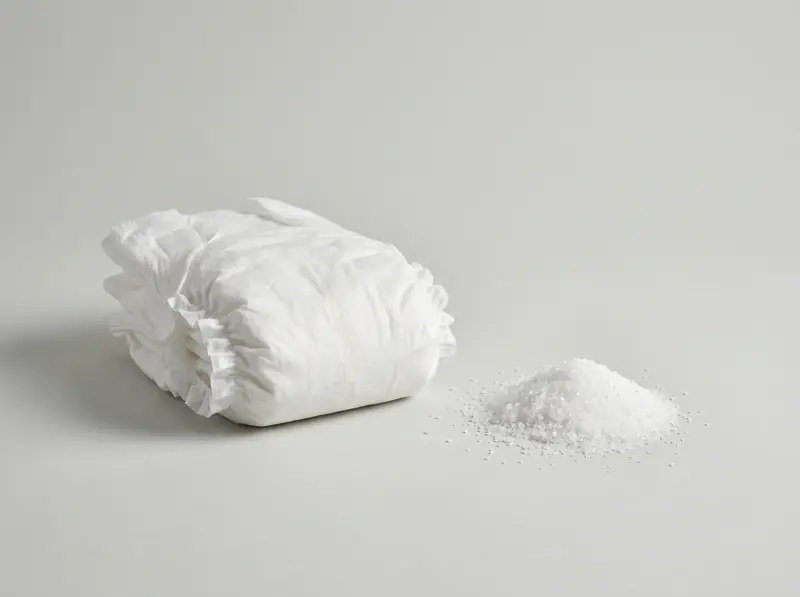
  • DiapersThe soft layers are polypropylene, the core is a polymer that holds water.
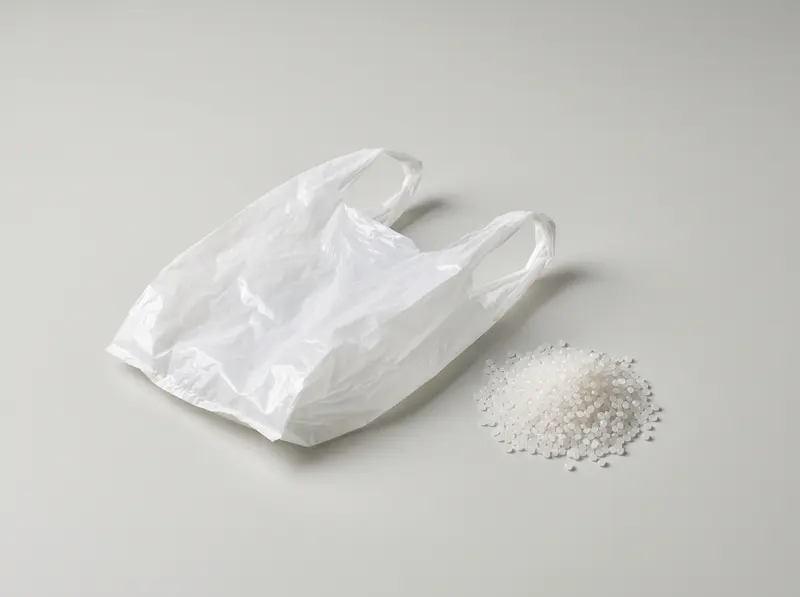
  • Plastic bagsMade from polyethylene, the most widely used plastic.

To petrochemicals in the range

Source: U.S. EIA, typical refinery yield. Infographic after FES Tanks.

Not from the column

Additives, lubricants, urea and industrial chemicals come from synthesis and blending, not from distillation. We list them beside the column on purpose. A pure mineral oil trader does not carry them.

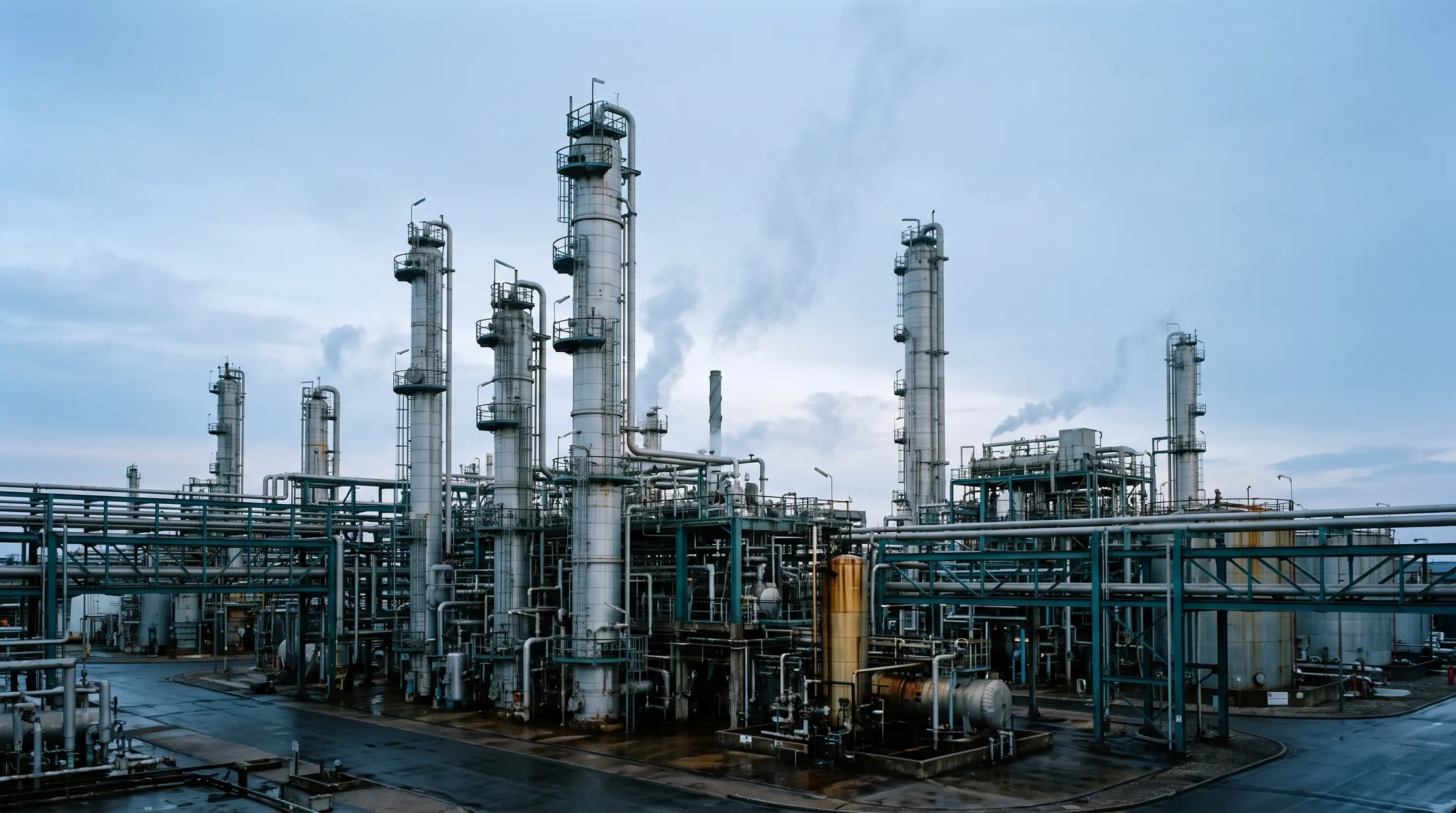
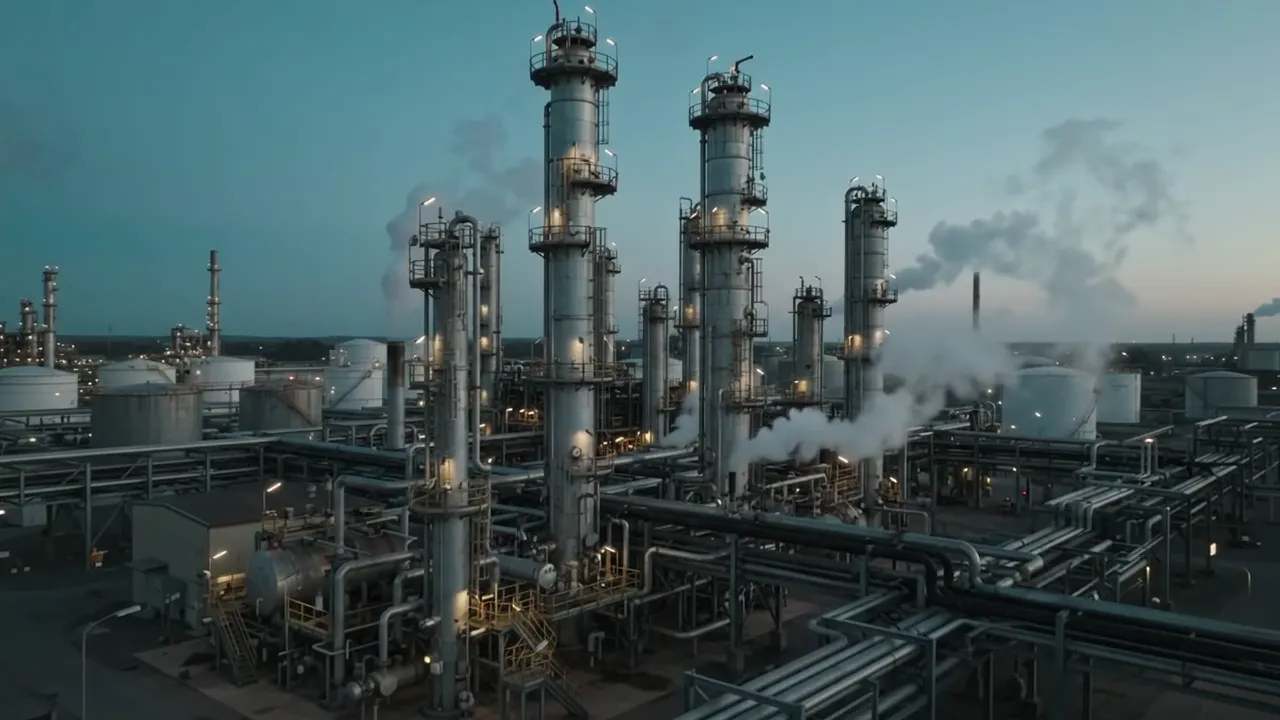
Distillation columns and pipe racks of a refinery at dusk
Distillation plant

Why a trading house rather than buying direct from the plant?

One contact instead of a chain of brokers

Producers sell in bulk quantities, on long terms and without mixed cargoes. That works as long as a buyer needs only one product in shipload size. As soon as it is several product groups, smaller lots or mixed packaging, work arises that nobody at the plant takes on: consolidation, shipping, documentation.

This is the work of a trading house. What separates it from the chains of intermediaries in this market are capabilities a buyer can check: opening a letter of credit, access to storage capacity and charter, and discussing specifications on their merits instead of forwarding price lists.

For this reason the site gives the value, the test method and the packaging for every item. A seller who shows only a product list usually does not have the goods.

About the company

We state no figure we cannot substantiate. No founding year without a register entry, no capacity without a terminal, no analysis without a laboratory.

Flyover of a refinery at dusk with lit columns and rising steam
Refinery, flyover

Process

From enquiry to discharge

  1. 01

    Enquiry

    Product, quantity, delivery term, destination port. We check availability and origin.

  2. 02

    Offer and specification

    Offer without obligation, with specification and typical analysis of the product.

  3. 03

    Contract and letter of credit

    Contract with quantity, quality, Incoterm and payment instrument, usually LC at sight.

  4. 04

    Loading and inspection

    Independent inspection of quantity and quality before loading by SGS, Intertek, Bureau Veritas or Cotecna.

  5. 05

    Shipment

    Handover to the carrier under the Incoterm, issue of the bill of lading.

  6. 06

    Documents and discharge

    B/L, COA, certificate of origin and packing list pass through the bank, the goods through the destination port.

LOI, ICPO and FCO are industry practice and not a statutory standard. Only the contract is binding. The process in detail

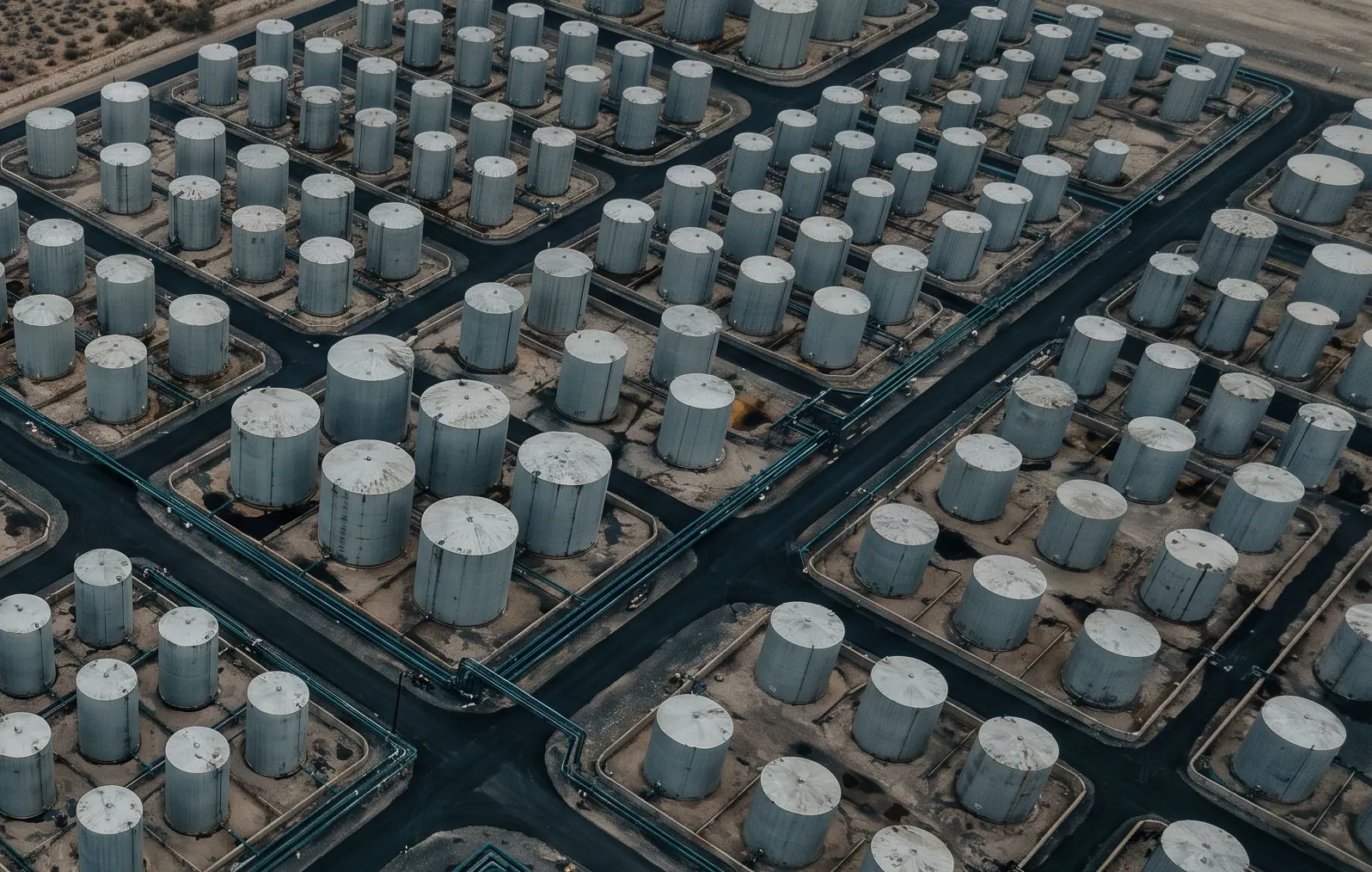
Aerial view of a tank farm, cylindrical tanks in containment bunds
Tank farm
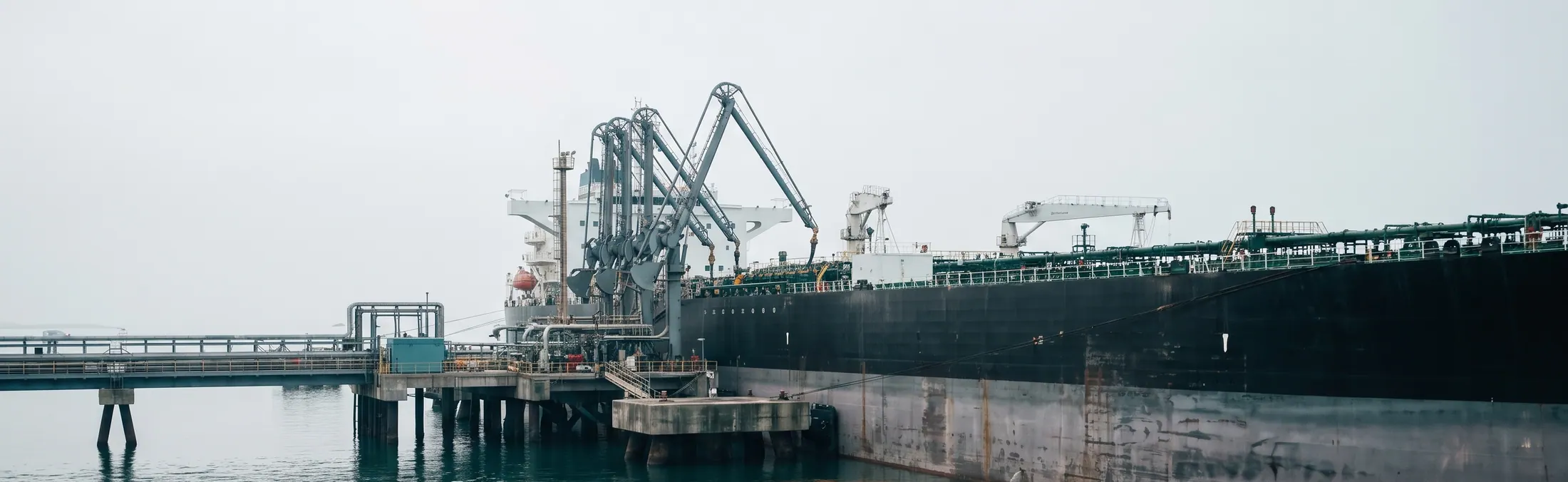
Tanker at its berth with loading arms on the pier
Tanker berth
ISO 9001API SP · CK-4ACEADIN 51524ISO 22241IMPCAREACHIMO 2020SGS · Intertek · Bureau Veritas · Cotecna

We name the standards we supply to and the inspection companies we appoint. Logos of other companies appear only after their written approval.

Make an enquiry

Give us the product, quantity, delivery term and destination port. We settle everything else by phone.

Ref ______ · Date ________ · 2026

We reply within one working day. No disclosure to third parties.

Sea routes

From the world's major commodity ports.

The map shows the leading ports for crude, products, gas, chemicals and bulk commodities, and the usual sea routes between them through Hormuz, Suez, Gibraltar, Malacca and Panama. From Erbil the cargo reaches the sea by road through Ceyhan or Umm Qasr.

  • Loading port
  • Sea route
  • Overland from Erbil
  • KOTA PETROCHEMICALS, Erbil
  • Countries where we trade

No routes to, from or through countries under comprehensive sanctions: Belarus, Cuba, Iran, North Korea, Russia, Syria, Venezuela.

Countries where we trade

Algeria, Angola, Argentina, Australia, Bahrain, Belgium, Brazil, Canada, Chile, China, Colombia, Djibouti, Egypt, France, Germany, Greece, India, Indonesia, Iraq, Italy, Japan, Kenya, Kuwait, Malaysia, Mexico, Netherlands, Nigeria, Norway, Oman, Pakistan, Panama, Peru, Philippines, Poland, Portugal, Qatar, Romania, Saudi Arabia, Singapore, South Africa, South Korea, Spain, Sri Lanka, Sweden, Taiwan, Tanzania, Thailand, Trinidad & Tobago, Türkiye, United Arab Emirates, United Kingdom, United States

Ports on the map (89)
Europe
Rotterdam, Antwerp, Amsterdam, Hamburg, Wilhelmshaven, Le Havre, Marseille Fos, Algeciras, Sines, Trieste, Augusta, Piraeus, Constanța, Gdańsk, Gothenburg, Mongstad, Milford Haven, Immingham
Middle East and Türkiye
Ceyhan, Aliağa, İzmit, Umm Qasr, Mina al Ahmadi, Ras Tanura, Jubail, Yanbu, Ras Laffan, Sitra, Ruwais, Jebel Ali, Fujairah, Sohar, Duqm, Ain Sokhna, Alexandria
Africa
Durban, Richards Bay, Saldanha Bay, Bonny, Lagos, Luanda, Mombasa, Dar es Salaam, Djibouti, Skikda, Arzew
Asia
Sikka, Mumbai, Paradip, Karachi, Colombo, Singapore, Port Klang, Map Ta Phut, Jakarta, Manila, Hong Kong, Kaohsiung, Shanghai, Ningbo Zhoushan, Qingdao, Tianjin, Dalian, Busan, Ulsan, Yeosu, Yokohama
Oceania
Port Hedland, Newcastle, Gladstone, Melbourne
Americas
Houston, Corpus Christi, Port Arthur, New Orleans, New York, Long Beach, Vancouver, Saint John, Veracruz, Cartagena, Balboa, Point Lisas, Santos, Rio de Janeiro, Buenos Aires, Bahía Blanca, Quintero, Callao

Drag to turn the globe.