
KOTAPetrochemicalsEnquiry

Products

Additives & DI Packages

Finished DI packages, VI improvers, pour point depressants and individual components.

10 items in this group

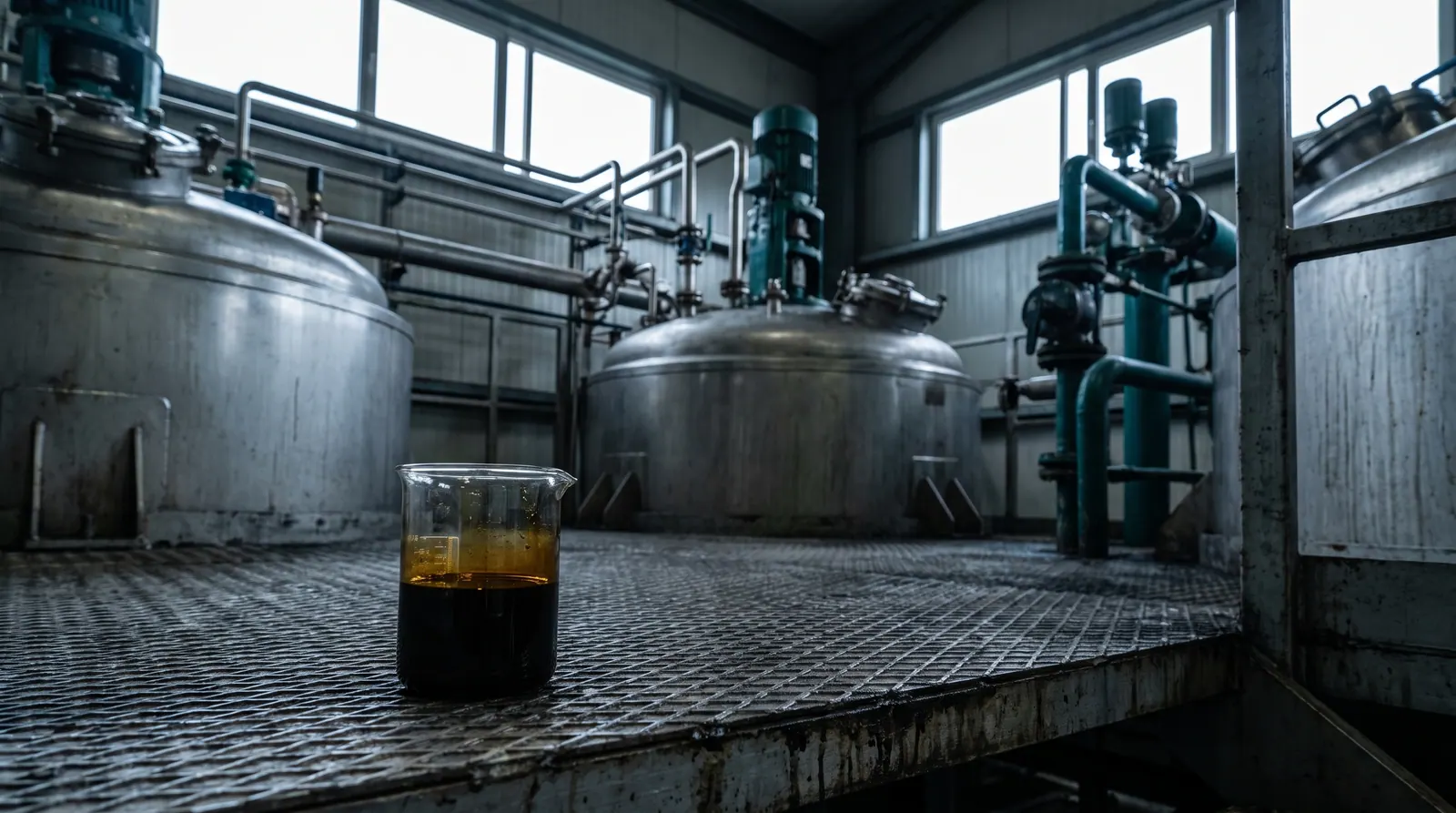
Stainless steel mixing vessel with pipework, a beaker of dark additive in front
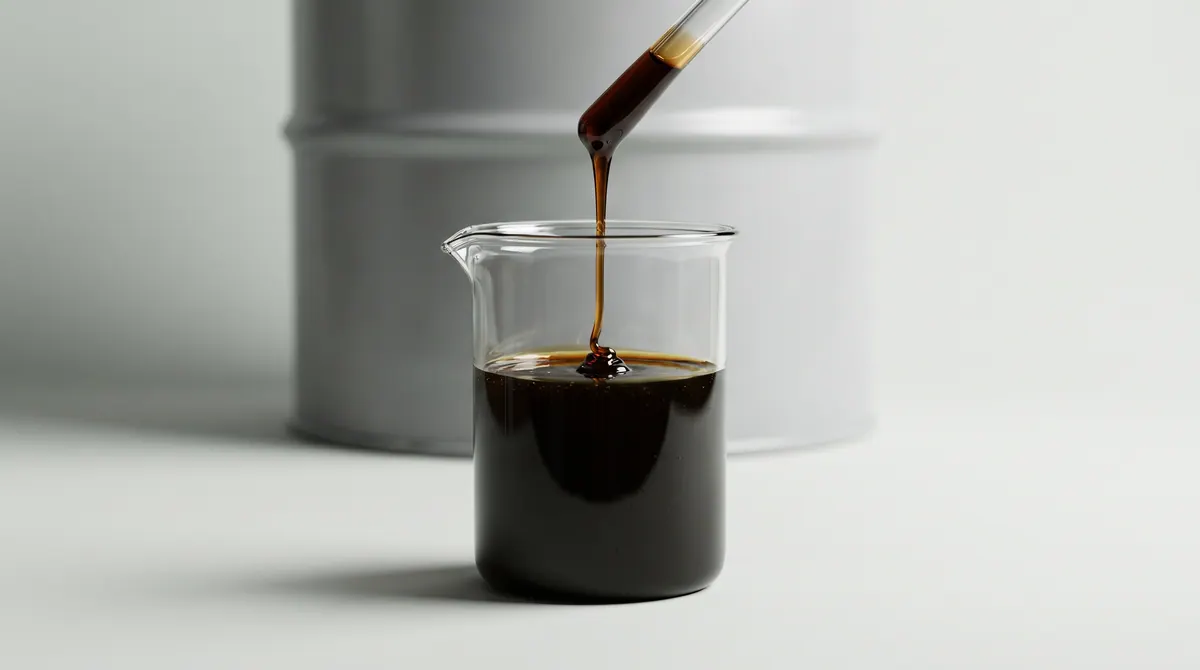
DI packages (detergent inhibitor) PCMO · HDDO · Gear · Hydraulic · Grease

DI packages (detergent inhibitor)

PCMO · HDDO · Gear · Hydraulic · Grease

Fully formulated additive packages that are blended with base oil and VI improver into finished oil.

A DI package combines detergents, dispersants, antiwear agents, antioxidants, corrosion inhibitors and antifoams in one product formulated to a specific target specification. Each application has its own family (passenger car engine oil, commercial vehicle, gear, hydraulic, grease), and the families are not interchangeable. The treat rate is typically 5 to 15 % in the finished oil and depends on the targeted API or ACEA category.

Applications
Lubricant blending plants · Toll fillers · Private label production
Packaging
208 L drum · IBC 1,000 L · ISO tank · Flexitank
Supply
On a contract basis
Enquire about this item
Typical values DI packages (detergent inhibitor) · PCMO · HDDO · Gear · Hydraulic · Grease
PropertyUnitValue
Typical treat rate%5 to 15 (guide value, depends on target specification)
FamiliesPCMO, HDDO, Gear, Hydraulic, Grease

Typical values, not a specification commitment. The batch analysis (COA) is binding.
VI improvers OCP · PMA

VI improvers

OCP · PMA

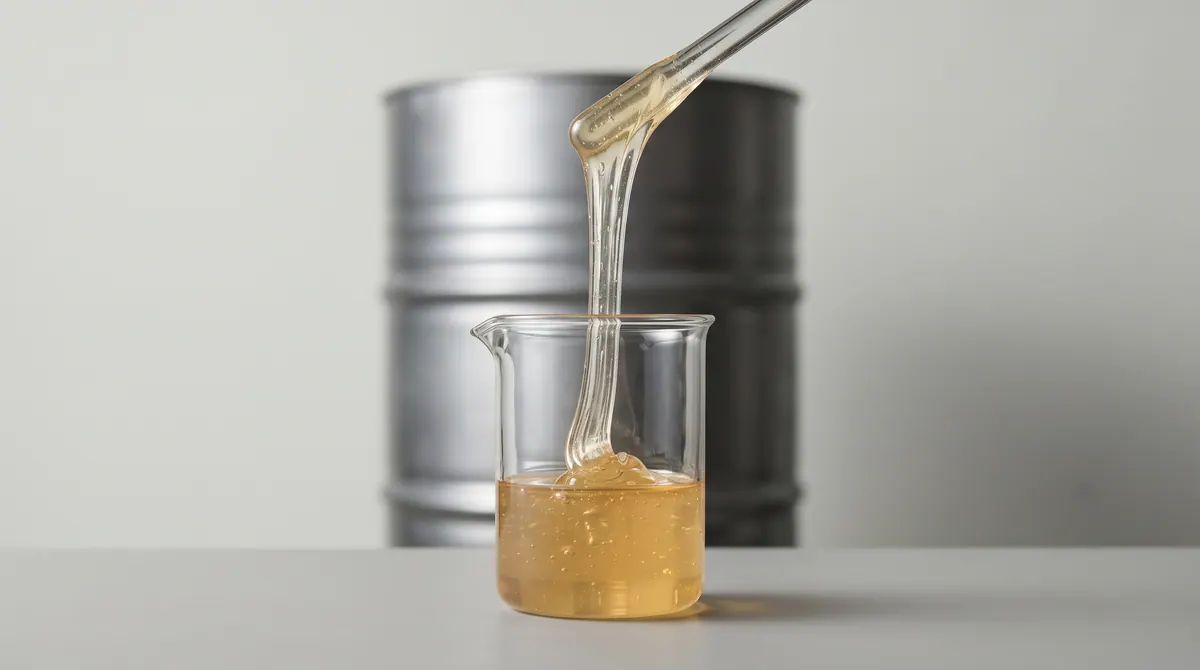
Polymers that dampen the change in viscosity with temperature and make multigrade oils possible in the first place.

Viscosity index improvers are polymers that unfold as temperature rises and so compensate for the loss of viscosity of the base oil. Without them there would be no 5W-30. Olefin copolymers are the standard in engine oil, and polymethacrylates also improve behaviour at low temperature. Shear stability needs attention, because under load the polymer chains break and the oil loses viscosity.

Applications
Multigrade engine oils · Gear oils · Hydraulic oils
Packaging
208 L drum · IBC 1,000 L · Bulk
Supply
On a contract basis
Enquire about this item
Typical values VI improvers · OCP · PMA
PropertyUnitValue
Typical treat ratewt %approx. 5 to 12

Typical values, not a specification commitment. The batch analysis (COA) is binding.
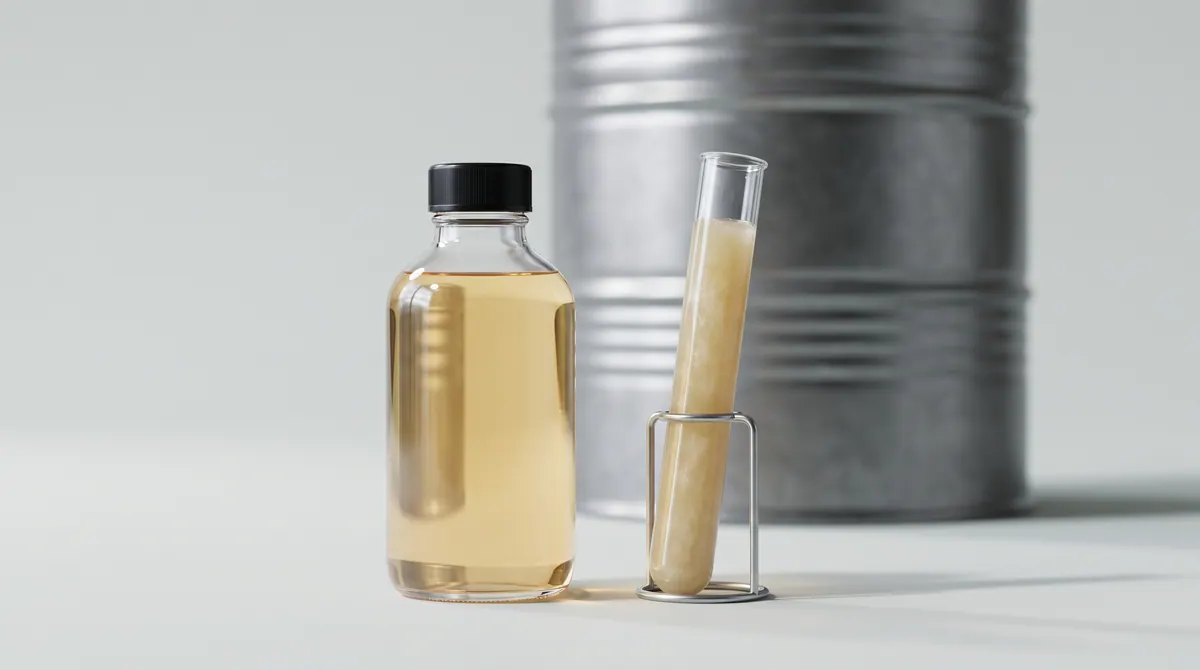
Pour point depressants (PPD)

Pour point depressants (PPD)

Controls wax crystallisation and keeps the oil pumpable in the cold.

Pour point depressants do not stop wax crystals from forming. They stop the crystals from growing into a network that makes the oil solidify. Even proportions of a few tenths of a percent up to about one percent lower the pour point markedly. Particularly relevant for paraffinic Group I and Group II oils.

Applications
Engine oils · Hydraulic oils · Applications in cold climates · Diesel fuel
Packaging
208 L drum · IBC 1,000 L
Supply
On a contract basis
Enquire about this item
Typical values Pour point depressants (PPD)
PropertyUnitValue
Typical treat ratewt %a few tenths up to approx. 1 (guide value)

Typical values, not a specification commitment. The batch analysis (COA) is binding.
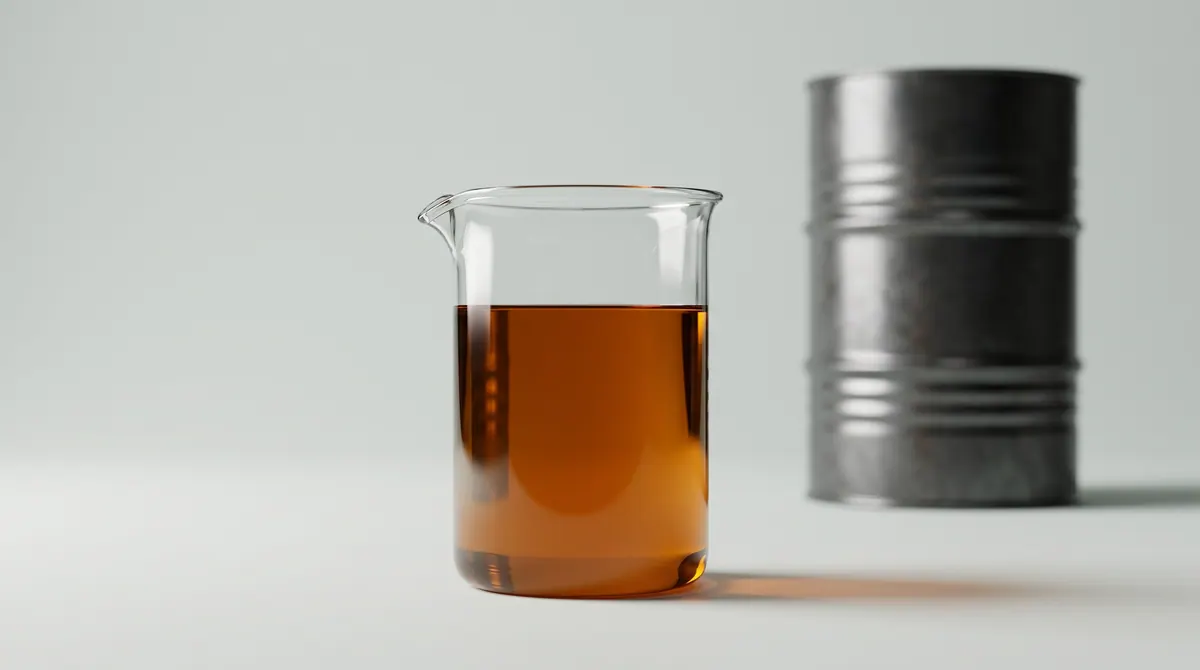
Antioxidants

Antioxidants

Delay oil ageing and extend the drain interval.

Antioxidants interrupt the radical chain reaction by which oil ages under heat and oxygen. Aminic and phenolic types act through different mechanisms and are therefore often combined. Their depletion is measurable and limits the remaining life of an oil in service.

Applications
Turbine oils · Engine oils · Industrial oils · Heat transfer oils
Packaging
208 L drum · IBC 1,000 L
Supply
On a contract basis
Enquire about this item
Typical values Antioxidants
PropertyUnitValue
Typical treat rateppm to low percent range (guide value)

Typical values, not a specification commitment. The batch analysis (COA) is binding.
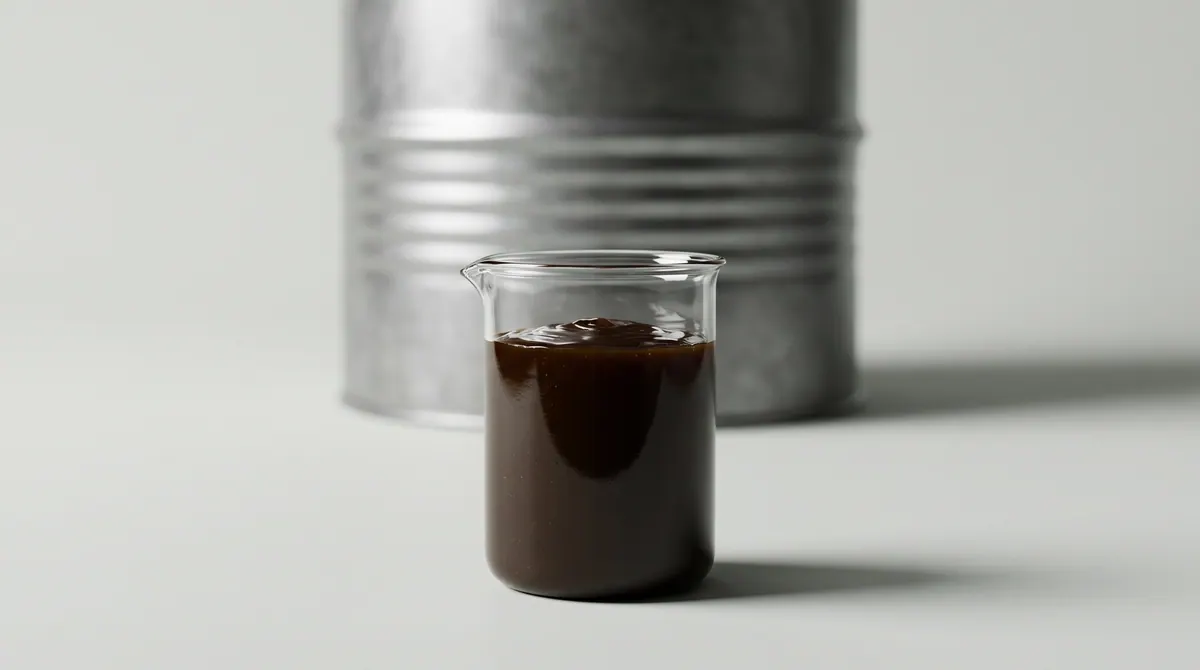
Detergents (sulphonates, phenates, salicylates)

Detergents (sulphonates, phenates, salicylates)

Overbased calcium and magnesium compounds that neutralise acids and prevent deposits.

Detergents keep hot engine parts, above all the piston ring area, free of deposits and neutralise the acidic combustion residues that form from the sulphur in the fuel. Their alkaline reserve makes up the base number of an oil. In Low SAPS formulations the permitted sulphated ash limits the amount that can be used.

Applications
Passenger car and commercial vehicle engine oils · Marine cylinder oils · Gas engine oils
Packaging
208 L drum · IBC 1,000 L · Bulk
Supply
On a contract basis
Enquire about this item
Dispersants (PIB succinimides)

Dispersants (PIB succinimides)

Ashless polyisobutylene succinimides that hold soot and sludge in suspension.

Dispersants enclose soot and sludge particles and prevent them from agglomerating and settling. Unlike detergents they are ashless and therefore place no load on the exhaust aftertreatment. The typical polyisobutylene molar mass is about 1,000 to 2,000 g/mol. It determines how well the molecule disperses and how strongly it raises viscosity.

Applications
Engine oils · Automatic transmission fluids · Fuel additives
Packaging
208 L drum · IBC 1,000 L · Bulk
Supply
On a contract basis
Enquire about this item
Typical values Dispersants (PIB succinimides)
PropertyUnitValue
PIB molar massg/molapprox. 1,000 to 2,000

Typical values, not a specification commitment. The batch analysis (COA) is binding.
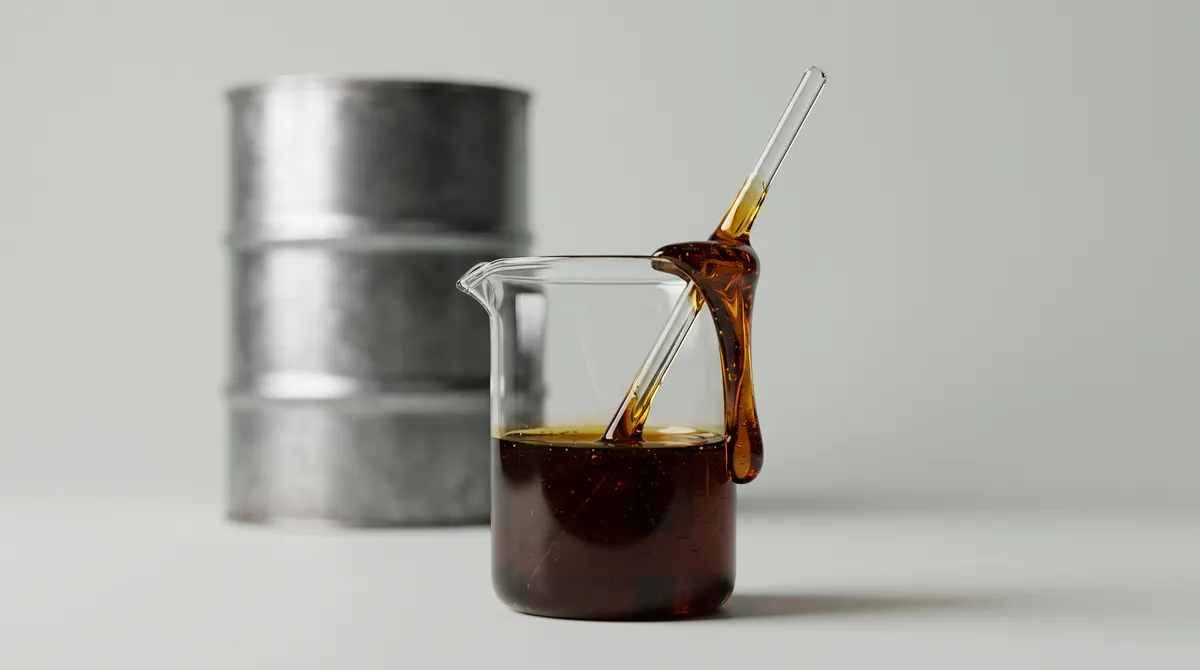
ZDDP and antiwear agents Zinc dialkyl dithiophosphate

ZDDP and antiwear agents

Zinc dialkyl dithiophosphate

Forms a sacrificial layer on the metal surface under load and also acts as an antioxidant.

ZDDP is by far the most widely used antiwear additive. Under pressure and temperature it forms a phosphate glass film that prevents direct contact between metal surfaces. Because phosphorus damages catalysts, the modern Low SAPS categories limit its content. A formulation with around 0.35 wt % ZDDP reaches about 250 ppm phosphorus in the finished oil. The permitted value depends on the target specification.

Applications
Engine oils · Hydraulic oils · Gear oils
Packaging
208 L drum · IBC 1,000 L · Bulk
Supply
On a contract basis
Enquire about this item
Typical values ZDDP and antiwear agents · Zinc dialkyl dithiophosphate
PropertyUnitValue
Example formulation≈ 0.35 wt % ZDDP gives ≈ 250 ppm phosphorus (guide value)
Dual functionantiwear and antioxidant

Typical values, not a specification commitment. The batch analysis (COA) is binding.
EP additives (extreme pressure)

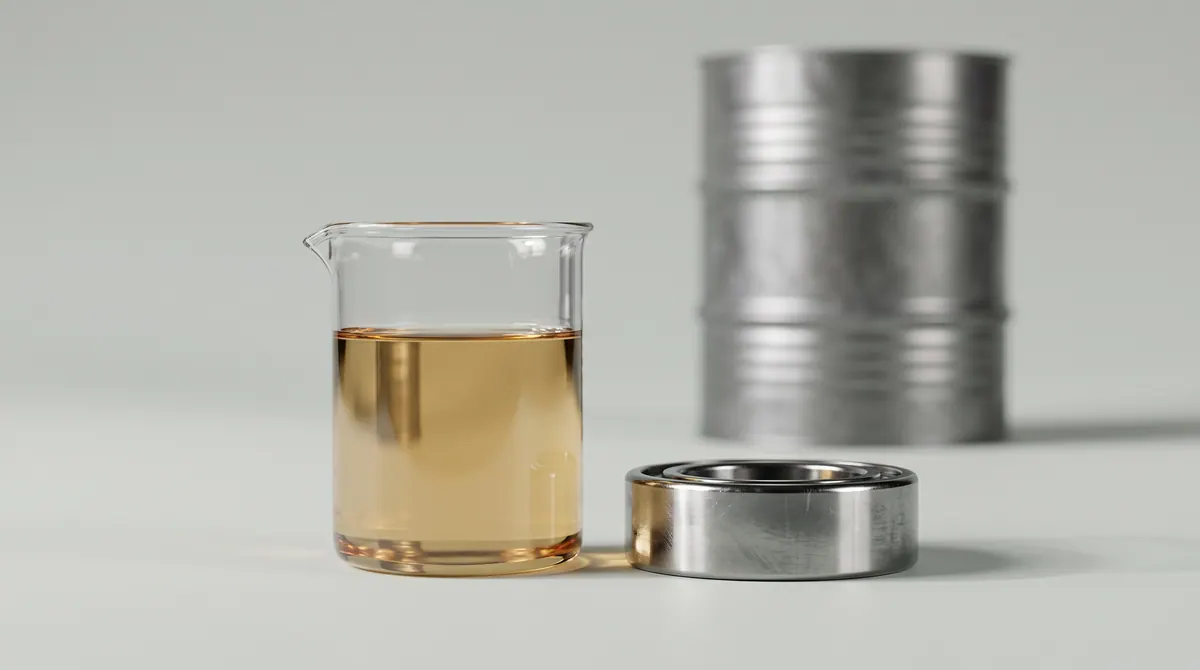
EP additives (extreme pressure)

Sulphur and phosphorus compounds for high surface pressure in hypoid axles and industrial gearboxes.

EP additives react with the metal surface at high local temperature and form a sacrificial layer that shears easily and prevents scuffing. The category determines the amount: API GL-4 works with up to 4.0 %, API GL-5 with up to 6.5 % of active anti scuffing additive. Compatibility with non-ferrous metals must be checked, since active sulphur carriers attack copper alloys.

Applications
Axle gear oils · Industrial gear oils · Greases · Metalworking
Packaging
208 L drum · IBC 1,000 L
Supply
On a contract basis
Enquire about this item
Typical values EP additives (extreme pressure)
PropertyUnitValue
Level GL-4%up to 4.0
Level GL-5%up to 6.5

Typical values, not a specification commitment. The batch analysis (COA) is binding.
Corrosion inhibitors

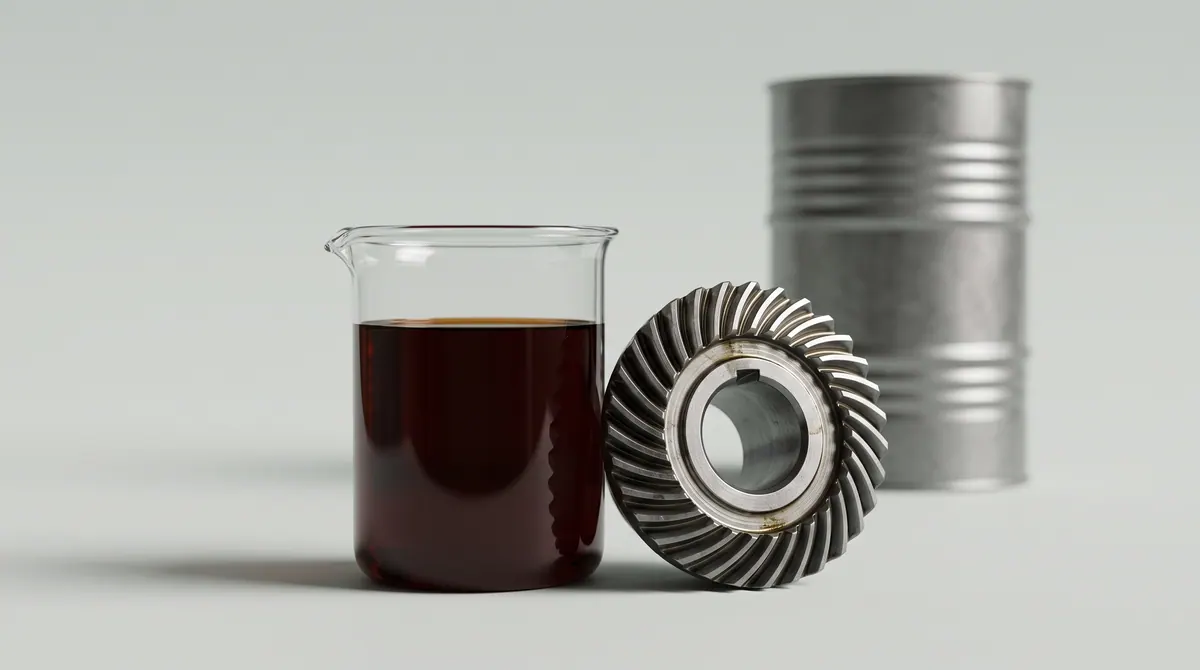
Corrosion inhibitors

Protect metal surfaces from moisture and acidic ageing products.

Corrosion inhibitors lay a polar protective film on the metal surface and displace water. Different classes of active ingredient are used for ferrous and non-ferrous metals; in formulations they are usually combined with detergents, which neutralise the acids at the same time.

Applications
Hydraulic oils · Turbine oils · Rust preventive oils · Cutting fluids
Packaging
208 L drum · IBC 1,000 L
Supply
On a contract basis
Enquire about this item
Antifoams

Antifoams

Prevent stable foam and so safeguard the lubricating film and pumpability.

Foam interrupts the lubricating film and makes hydraulic systems compressible. Antifoams based on silicone or free of silicone destabilise the bubble film so that the foam collapses. They work at ppm levels. Overdosing reverses the effect and also worsens air release.

Applications
Hydraulic oils · Gear oils · Cutting fluids
Packaging
208 L drum · IBC 1,000 L
Supply
On a contract basis
Enquire about this item
Typical values Antifoams
PropertyUnitValue
Typical treat rateppm range (guide value)

Typical values, not a specification commitment. The batch analysis (COA) is binding.
Enquire about Additives & DI Packages

Give us the product, quantity, delivery term and destination port. We settle everything else by phone.

Ref ______ · Date ________ · 2026

We reply within one working day. No disclosure to third parties.