
KOTAPetrochemicalsEnquiry

Products

Petrochemicals & Polymers

Methanol, glycols, aromatics, LPG feedstock and polymers in prime quality.

10 items in this group

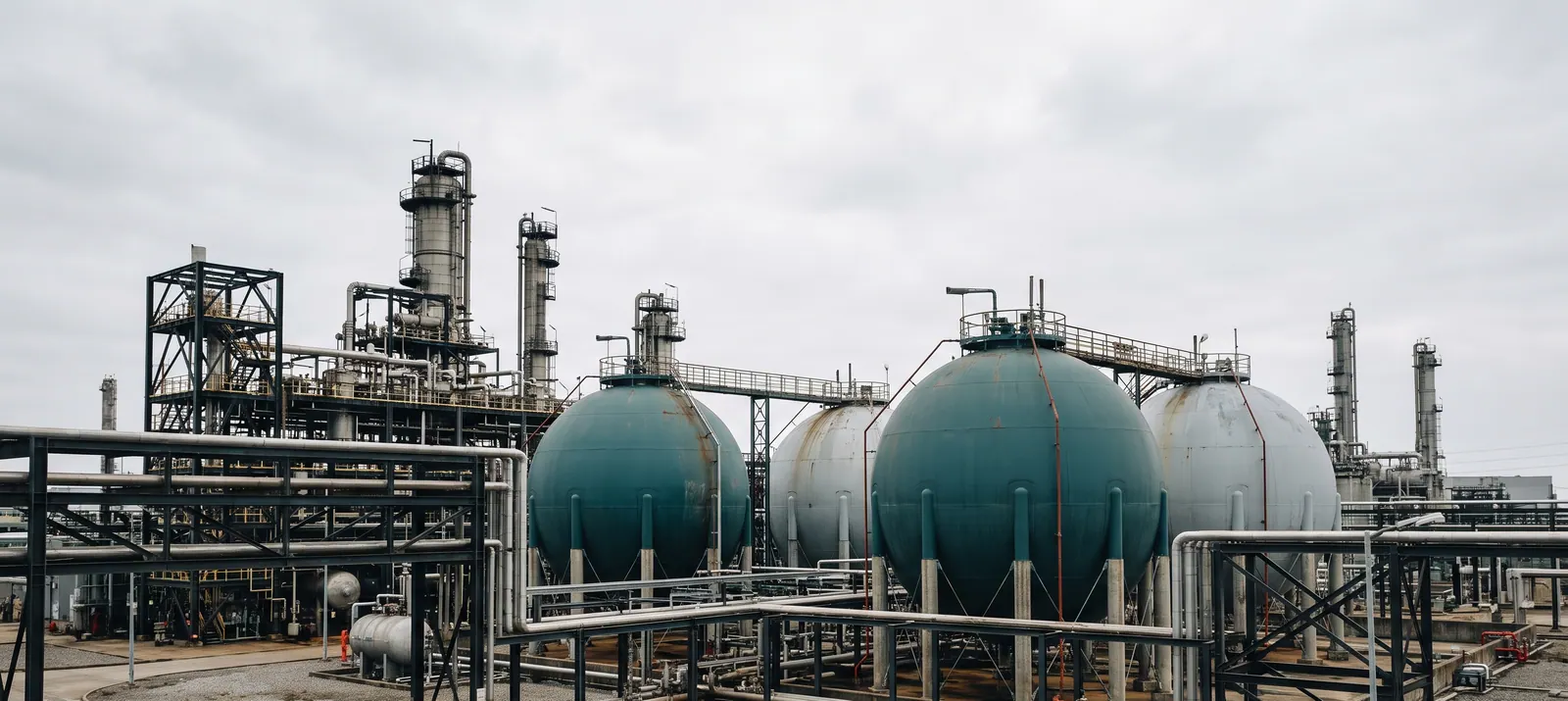
Spherical tanks and process plant of a petrochemical complex
Methanol IMPCA reference specification

Methanol

IMPCA reference specification

Base chemical and increasingly a marine fuel, traded worldwide to a single standard.

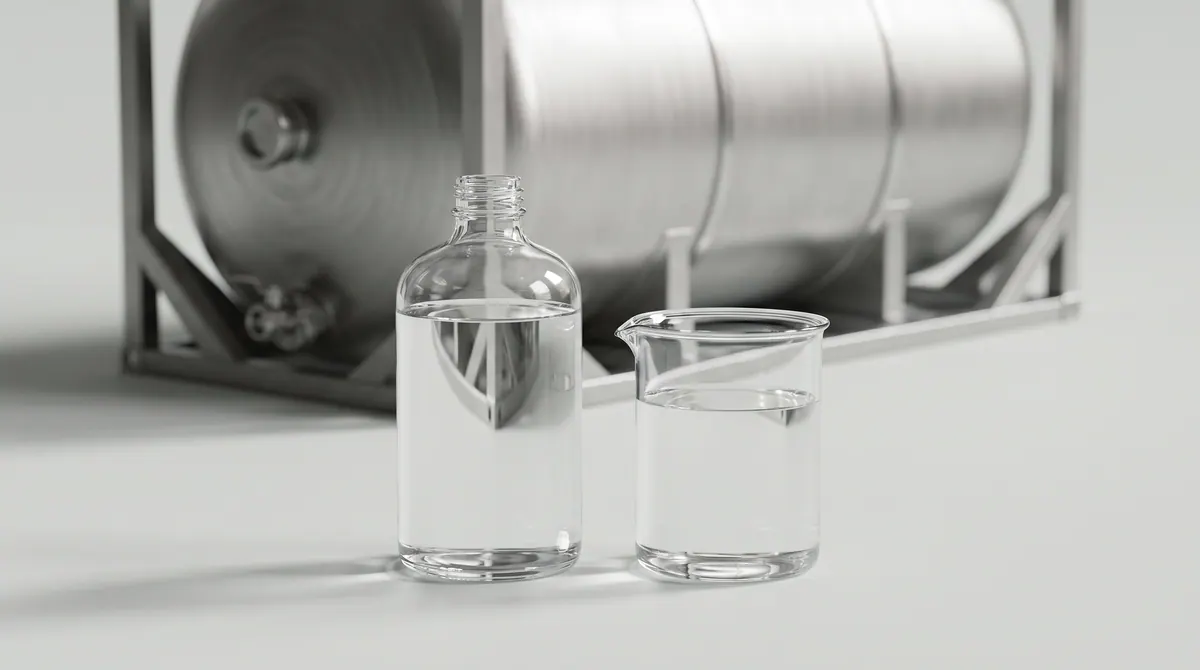
The IMPCA reference specification is the trade basis for methanol in seaborne trade. It requires a purity of at least 99.85 % and limits water, ethanol, acetone, iron and chloride to trace levels. The permanganate time is the most sensitive purity indicator, because it shows oxidisable impurities that none of the individual tests captures.

Standards and approvals
IMPCA reference specification (version of 1 July 2021)
Applications
Formaldehyde and resin production · Biodiesel · Marine fuel · Solvents
Packaging
ISO tank · Flexitank · 208 L drum · Bulk vessel
HS code
2905.11
CAS number
67-56-1
Supply
On a contract basis
Enquire about this item
Typical values Methanol · IMPCA reference specification
PropertyUnitValue
Purity% w/wmin. 99.85
Water content% w/wmax. 0.100
Ethanol% w/wmax. 0.0050
Acetone%max. 0.0030
Permanganate time at 15 °Cminmin. 60
Iron, totalmg/kgmax. 0.10
Chloridemg/kgmax. 0.5

Typical values, not a specification commitment. The batch analysis (COA) is binding.
MEG (monoethylene glycol) Fibre grade

MEG (monoethylene glycol)

Fibre grade

Feedstock for polyester and PET and the basis of antifreeze.

The bulk of world production goes into polyester fibres and PET bottles. Fibre grade requires at least 99.5 % purity, because even small impurities disturb polycondensation and with it fibre quality. Different, mostly lower requirements apply to antifreeze applications.

Applications
Polyester and PET production · Antifreeze · Gas dehydration
Packaging
ISO tank · Flexitank · IBC 1,000 L · Bulk vessel
HS code
2905.31
CAS number
107-21-1
Supply
On a contract basis
Enquire about this item
Typical values MEG (monoethylene glycol) · Fibre grade
PropertyUnitValue
Purity (fibre grade)%min. 99.5

Typical values, not a specification commitment. The batch analysis (COA) is binding.
DEG (diethylene glycol)

DEG (diethylene glycol)

Hygroscopic liquid with a high boiling point for gas dehydration, resins and plasticisers.

DEG arises as a coproduct of MEG manufacture. It is stable, has a high boiling point and is fully miscible with water. It is used in natural gas dehydration, in unsaturated polyester resins and as a plasticiser component. It is not approved for food and pharmaceutical applications.

Applications
Natural gas dehydration · Polyester resins · Plasticisers · Solvents
Packaging
ISO tank · IBC 1,000 L · 208 L drum
HS code
2909.41
CAS number
111-46-6
Supply
On a contract basis
Enquire about this item
Toluene Commercial · Nitration · Industrial

Toluene

Commercial · Nitration · Industrial

Aromatic solvent and intermediate in three customary purity grades.

The purity grade decides the application: industrial grade with at least 94 % and up to 5 % xylene goes into thinners and cleaning applications, commercial grade with 99.5 % into the paint and adhesive industry, nitration grade from 99.8 % into chemical synthesis.

Applications
Paints and adhesives · Chemical synthesis · Thinners · Printing inks
Packaging
ISO tank · Flexitank · 208 L drum
HS code
2902.30
CAS number
108-88-3
Supply
On a contract basis
Enquire about this item
Typical values Toluene · Commercial · Nitration · Industrial
PropertyUnitValue
Commercial / trade grade%min. 99.5
Nitration / reagent grade%≥ 99.8
Industrial grade%≥ 94 (up to 5 % xylene)

Typical values, not a specification commitment. The batch analysis (COA) is binding.
Xylene Mixed xylene · para-xylene

Xylene

Mixed xylene · para-xylene

Isomer mixture for solvents and para-xylene as a PTA feedstock.

Mixed xylene is a mixture of the three isomers plus ethylbenzene and serves as a solvent and reformer product. Para-xylene is separated from it and, at roughly 99.5 % purity, is the starting material for terephthalic acid and thus for the entire polyester chain. The benzene content is a central test value because of labelling obligations.

Applications
PTA and polyester production · Paints · Solvents · Printing inks
Packaging
ISO tank · Flexitank · 208 L drum
HS code
2902.44 / 2902.43
CAS number
1330-20-7
Supply
On a contract basis
Enquire about this item
Typical values Xylene · Mixed xylene · para-xylene
PropertyUnitValue
Commercial mixed xylene%min. 97 isomers
Ethylbenzene%max. 3
Benzene / toluene%max. 0.1
Para-xylene%≈ 99.5

Typical values, not a specification commitment. The batch analysis (COA) is binding.
Benzene Petrochemical feedstock

Benzene

Petrochemical feedstock

Aromatic base chemical for styrene, phenol and aniline. Strictly regulated.

Benzene is classified as carcinogenic and is subject to special requirements in transport, storage and handling. The customary minimum purity in trade is 99.9 %. It is traded and processed exclusively in closed systems; delivery is made only to buyers with the corresponding permits.

Applications
Styrene and phenol production · Aniline · Petrochemical synthesis
Packaging
ISO tank · Bulk vessel
HS code
2902.20
CAS number
71-43-2
Supply
On a contract basis
Enquire about this item
Typical values Benzene · Petrochemical feedstock
PropertyUnitValue
Customary minimum purity%99.9

Typical values, not a specification commitment. The batch analysis (COA) is binding.
Sulphur granulated · lump

Sulphur

granulated · lump

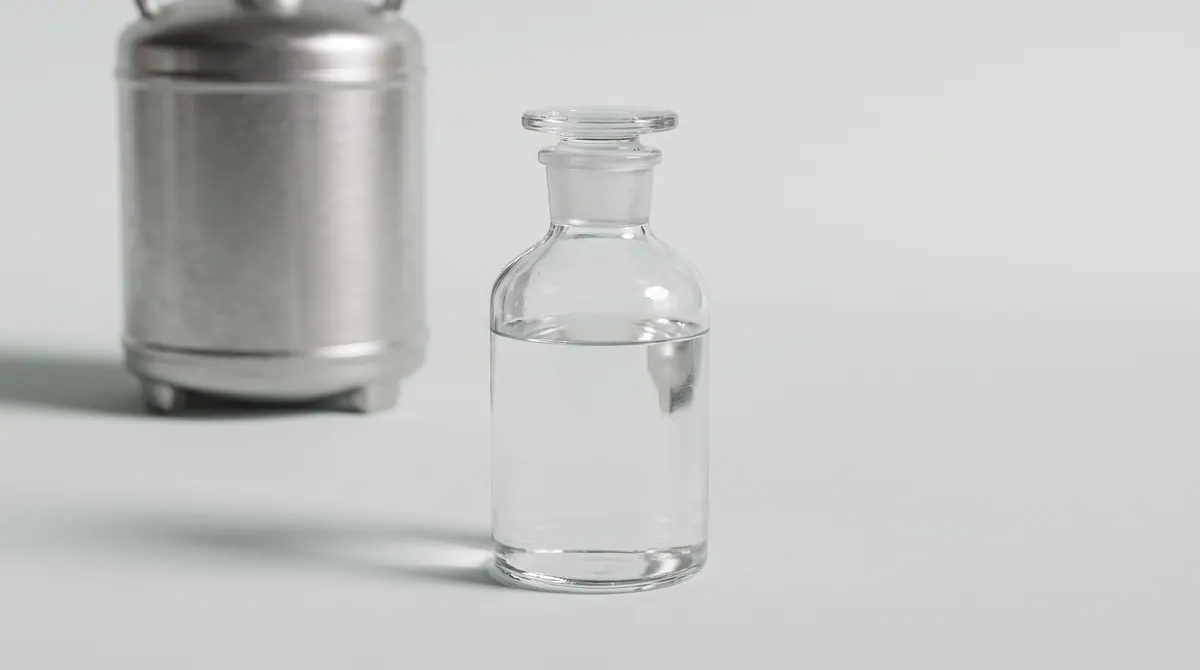
By-product of desulphurisation and the most important raw material of sulphuric acid production.

Sulphur traded worldwide comes mainly from gas processing and petroleum desulphurisation. The fertiliser industry needs this by-product as a raw material. Granulated product with a grain size of 2 to 6 millimetres creates less dust and flows better than lump. Industrial quality is typically 99.5 % pure.

Applications
Sulphuric acid production · Fertilisers · Rubber industry · Pulp and paper
Packaging
25 kg bag · 1,000 kg big bag · Bulk vessel
Regions of origin
Gulf region · Kazakhstan · Canada
HS code
2503.00
CAS number
7704-34-9
Supply
On a contract basis
Enquire about this item
Typical values Sulphur · granulated · lump
PropertyUnitValue
Purity (industrial quality)%typically 99.5
Granule sizemmapprox. 2 to 6

Typical values, not a specification commitment. The batch analysis (COA) is binding.
Polypropylene (PP) Homopolymer · block copolymer · random

Polypropylene (PP)

Homopolymer · block copolymer · random

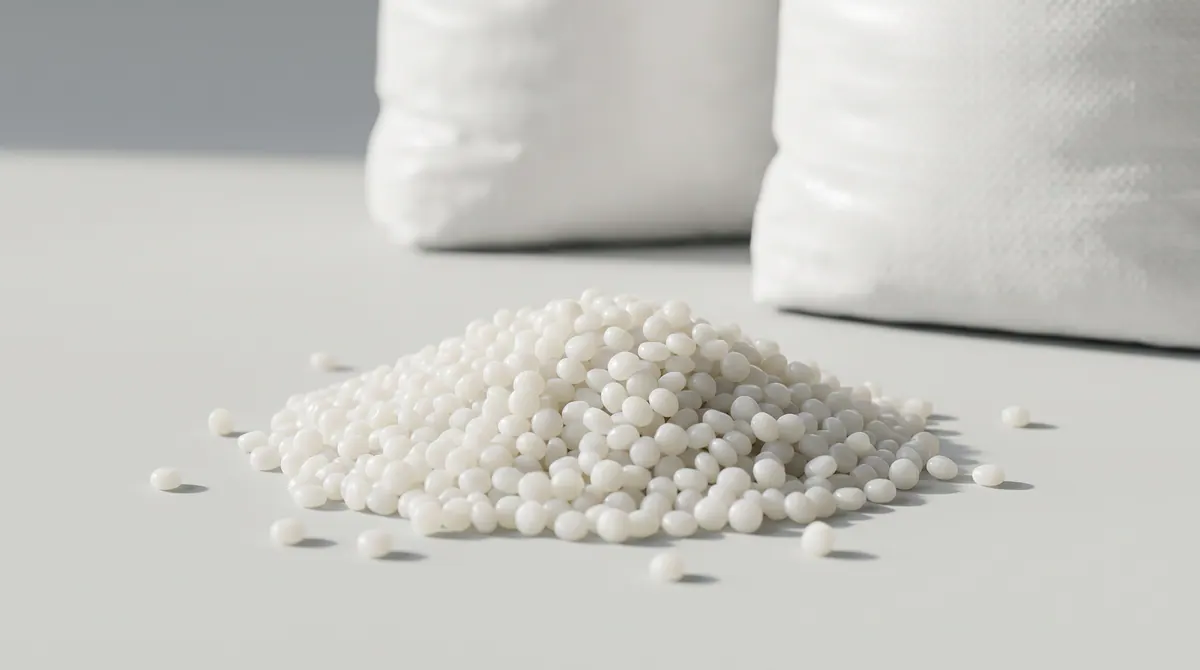
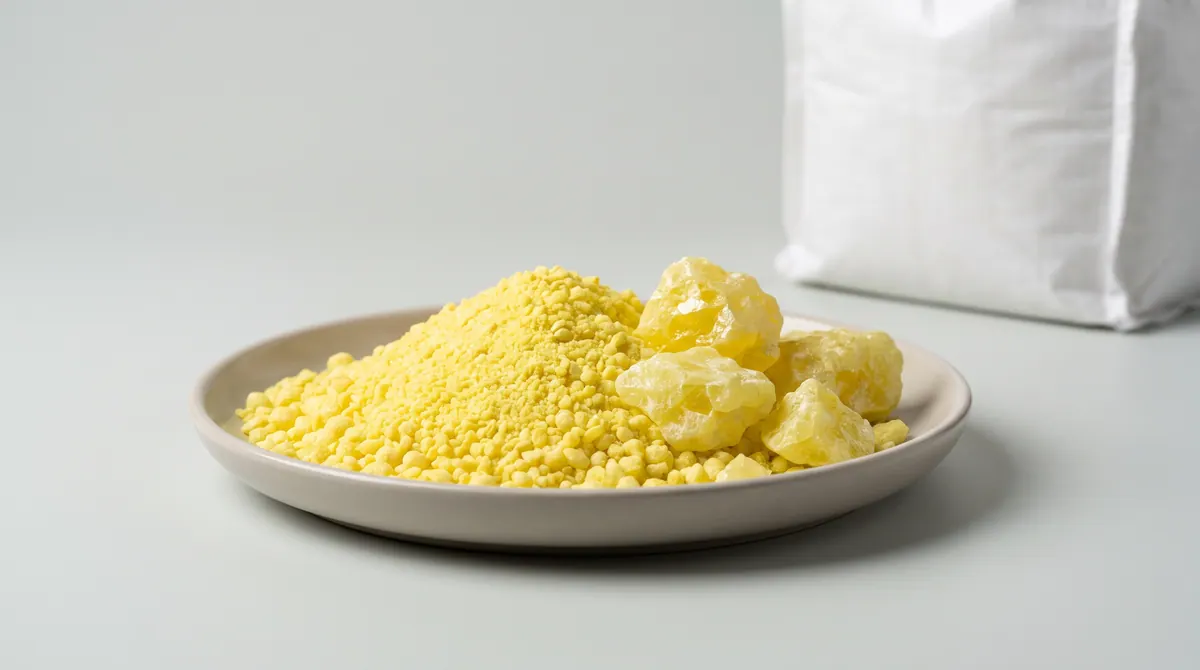
The most versatile commodity plastic, used in everything from woven sacks to food packaging.

Homopolymer is the rigid standard type for injection moulding, films and woven sacks. Block copolymer with 5 to 15 % ethylene stays impact resistant even in the cold. Random copolymer with 1 to 7 % ethylene is transparent and flexible. The melt flow index decides the selection and has to match the processing technique.

Applications
Injection moulding · Woven sacks · Films · Food packaging
Packaging
25 kg bag · 1,000 kg big bag · Silo container
HS code
3902.10
Supply
On a contract basis
Enquire about this item
Typical values Polypropylene (PP) · Homopolymer · block copolymer · random
PropertyUnitValue
Block copolymer, ethylene content%5 to 15
Random copolymer, ethylene content%1 to 7

Typical values, not a specification commitment. The batch analysis (COA) is binding.
Polyethylene (HDPE · LDPE · LLDPE) Prime quality

Polyethylene (HDPE · LDPE · LLDPE)

Prime quality

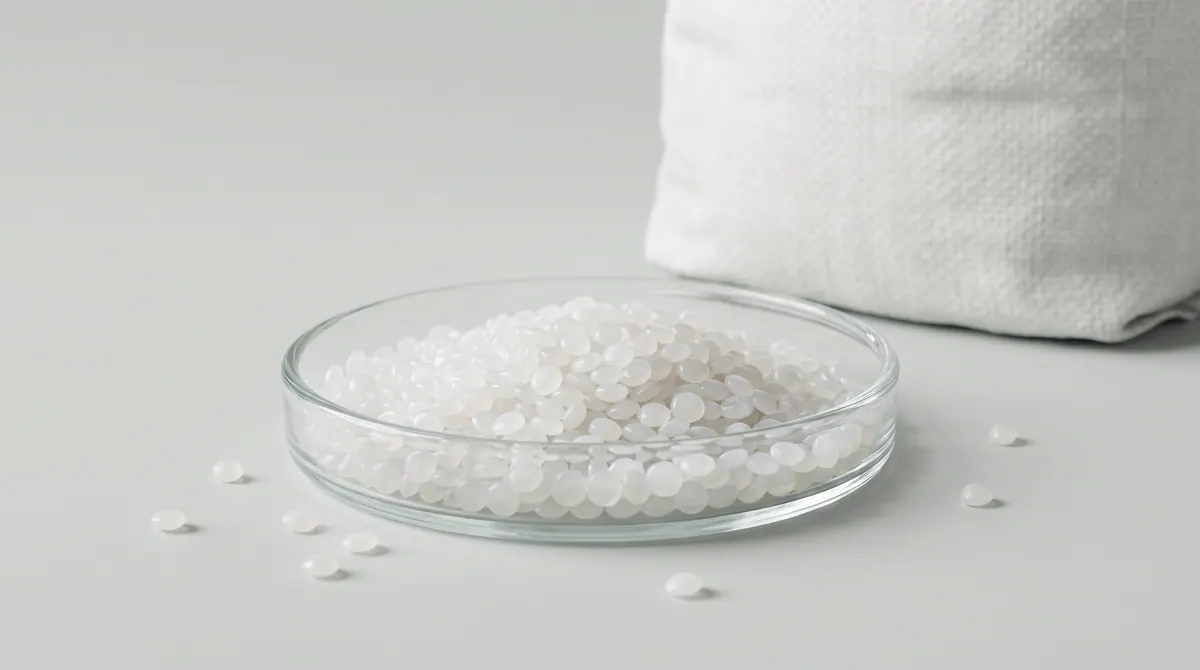
Three density classes for pipes, films and containers.

HDPE is highly crystalline, rigid and chemically resistant, and is the choice for pressure pipes, canisters and blow moulded parts. LDPE is branched, soft and clear and goes into films and packaging. LLDPE is a copolymer with an alpha olefin and beats LDPE in tear strength and puncture resistance, so it dominates stretch films and heavy duty films.

Applications
Pressure pipes · Canisters and containers · Stretch and packaging films · Cable sheathing
Packaging
25 kg bag · 1,000 kg big bag · Silo container
HS code
3901.20 / 3901.10
Supply
On a contract basis
Enquire about this item
PVC Suspension and emulsion PVC

PVC

Suspension and emulsion PVC

The main plastic in construction, specified by K-value.

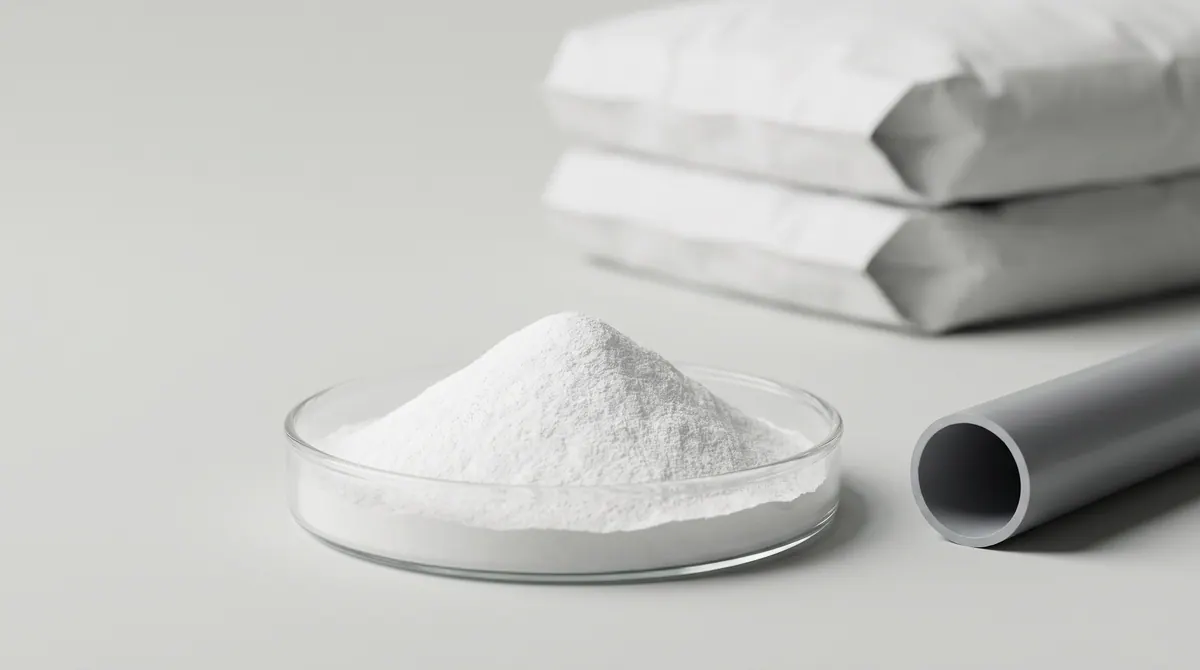
Suspension PVC is the bulk product for pipes, profiles and sheets. Emulsion PVC is processed into pastes and goes into coatings and artificial leather. The K-value describes the molecular weight and determines processability and end properties. The right setting depends on the buyer's processing method.

Applications
Pipes and profiles · Cable insulation · Floor coverings · Coatings
Packaging
25 kg bag · 1,000 kg big bag · Silo container
HS code
3904.10
Supply
On a contract basis
Enquire about this item

Enquire about Petrochemicals & Polymers

Give us the product, quantity, delivery term and destination port. We settle everything else by phone.

Ref ______ · Date ________ · 2026

We reply within one working day. No disclosure to third parties.